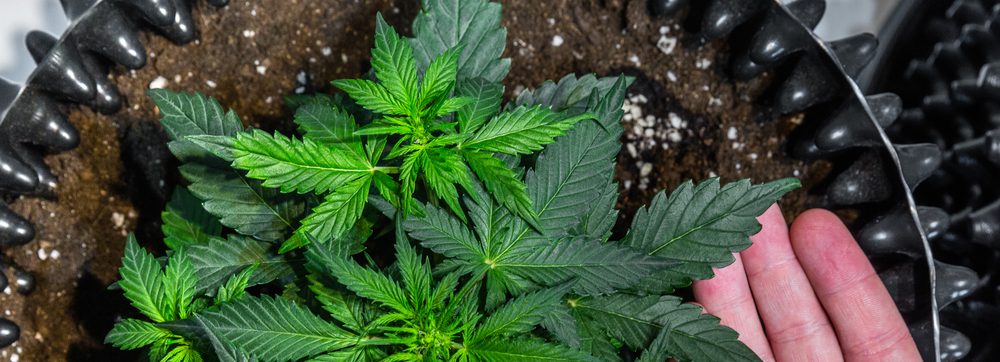

Are you puzzled by the buzz around marijuana and its effects? It’s a plant with over 500 chemicals, some changing how we feel. Dive into our FAQs to clear the smoke on cannabis questions Buy Marijuana Pipes you’re curious about.
Keep reading and get clued in!
Common Questions About Marijuana
Is CBD psychoactive? Why does marijuana cause the munchies? Is marijuana dangerous? How is marijuana used? What’s the difference between sativa and indica edibles? What does it feel like to be high? Does marijuana cause brain damage? Does smoking weed damage your lungs? What’s the difference between THC and CBD? How is synthetic marijuana different from natural marijuana?
This section will answer these common questions about marijuana, providing you with valuable information for a better understanding of cannabis.
Is CBD psychoactive?
CBD, short for cannabidiol, does not produce a high or any psychoactive effects. This is because CBD affects the brain differently than THC, the compound in marijuana that causes euphoria.
People use CBD to help with a variety of conditions including anxiety, pain, and insomnia without altering their state of mind. Unlike THC, which can affect your coordination and judgment, CBD is known for its potential therapeutic benefits without those intoxicating effects.
Many turn to CBD products as they seek the health benefits of cannabinoids without experiencing the high associated with cannabis. Research continues to explore how CBD interacts with the body’s endocannabinoid system but it’s clear that its impact differs significantly from other compounds found in marijuana.
Users report feeling more relaxed or at ease after taking CBD while remaining fully alert and functional – key reasons why this non-psychoactive component has gained popularity in medical and wellness communities.
Why does marijuana cause the munchies?
When consumed, marijuana affects the brain’s endocannabinoid system, which plays a crucial role in regulating appetite. THC, the psychoactive compound in marijuana, binds to cannabinoid receptors in the brain and triggers the release of ghrelin, also known as the “hunger hormone.” This leads to an increase in appetite and gives rise to the phenomenon commonly referred to as “the munchies.” Additionally, THC can enhance the sensitivity of smell and taste receptors, making food even more appealing.
These combined effects contribute to increased cravings for food after consuming marijuana.
Understanding these neurological processes helps explain why many individuals experience heightened hunger sensations after using cannabis. The interaction between THC and the endocannabinoid system results in amplified appetite signals and intensified sensory experiences related to food.
Is marijuana dangerous?
After understanding the potential side effect of increased appetite from marijuana, it’s natural to question whether the substance is dangerous. The truth is that while marijuana can have negative effects on some aspects of health and wellbeing, it’s not necessarily inherently dangerous for everyone.
Understanding its impact and knowing one’s limits when consuming marijuana is crucial for minimizing any potential risk involved.
How is marijuana used?
Marijuana can be used in several ways. It can be smoked, either in the form of a joint or a pipe. Some people also choose to inhale it through a bong or vaporizer. Additionally, marijuana can be consumed orally by infusing it into food or beverages. Another method of consumption is through tinctures or oils, which are placed under the tongue for absorption. Topical creams and patches are also available for localized relief without causing a high. The various methods of consumption cater to different preferences and needs.
What’s the difference between sativa and indica edibles?
After understanding how marijuana is used, it’s essential to grasp the difference between sativa and indica edibles. Sativa edibles are renowned for their stimulating and energizing effects, making them suitable for daytime use.
On the other hand, indica edibles tend to deliver a more relaxing and sedating experience, often preferred for nighttime consumption or when seeking relief from pain or insomnia.
Understanding these distinctions can help consumers make informed choices based on their desired effects and the time of day they plan to consume edibles.
What does it feel like to be high?
After understanding the differences between sativa and indica edibles, you may wonder, “What does it feel like to be high?”. When a person is under the influence of marijuana, they may experience feelings of euphoria and relaxation.
Colors might appear more vivid, sounds could seem enhanced, and time may appear to pass differently. Some individuals report heightened creativity or increased sociability when using cannabis.
However, it’s crucial to note that experiences can vary widely from person to person due to factors such as tolerance levels, strain potency, and individual biochemistry.
Does marijuana cause brain damage?
Marijuana does not cause brain damage. However, heavy and prolonged marijuana use can lead to cognitive impairments, especially in adolescents whose brains are still developing. Research suggests that chronic marijuana use may negatively impact memory, attention, and learning abilities in some individuals.
It’s essential to consider these potential risks when using cannabis, particularly for those with a history of mental health issues or at-risk populations like teenagers.
Furthermore, long-term usage of marijuana may affect executive function and decision-making skills due to alterations in the brain’s structure and function. These findings emphasize the importance of informed decision-making regarding marijuana consumption, especially considering its impact on cognitive functions over time.
Does smoking weed damage your lungs?
Smoking weed can damage your lungs, as it can cause irritation and inflammation in the respiratory system. The smoke from marijuana contains many of the same toxins and carcinogens as tobacco smoke.
Prolonged marijuana use, especially through smoking, has been associated with chronic bronchitis and increased risk of lung infections. Additionally, frequent cannabis smokers may experience symptoms such as coughing, wheezing, and shortness of breath.
These potential risks highlight the importance of considering alternative methods for consuming cannabis that do not involve inhaling smoke into the lungs. Vaporizers or edibles are popular choices that can minimize the negative impact on respiratory health while still providing the desired effects.
What’s the difference between THC and CBD?
THC and CBD are two of the most well-known cannabinoids found in cannabis. THC is what gives marijuana its psychoactive properties, producing the “high” feeling, while CBD does not cause a high and may even reduce some of the effects of THC.
Both compounds interact with the body’s endocannabinoid system but in different ways, resulting in varying effects on mood, pain sensation, and other bodily functions.
THC binds primarily to CB1 receptors in the brain and nervous system, leading to euphoria and altered sensory perception. On the other hand, CBD interacts with different receptors such as serotonin and vanilloid receptors which may contribute to its potential for treating conditions like epilepsy, anxiety, inflammation, and more.
How is synthetic marijuana different from natural marijuana?
Synthetic marijuana, also known as K2 or Spice, is a chemically engineered substance that mimics the effects of natural marijuana. It is made by spraying man-made chemicals onto plant material, which is then smoked or brewed as tea.
Unlike natural marijuana, synthetic forms are often more potent and can lead to severe and unpredictable side effects such as rapid heart rate, vomiting, agitation, hallucinations, and even seizures.
Additionally, while the natural composition of marijuana includes numerous cannabinoids like THC and CBD, synthetic versions usually contain just one or two synthetic compounds meant to mimic these components – posing greater health risks and unknown long-term implications for users.
FAQ’s about Marijuana and Cannabinoids
Understanding cannabinoids and their effects on the body can help address common concerns about marijuana usage. To learn more about the safety considerations, health risks, and state laws pertaining to marijuana and cannabinoids, continue reading!
Understanding cannabinoids
Cannabinoids are chemical compounds found in marijuana and interact with the body’s endocannabinoid system. They can affect various bodily functions, including mood, appetite, and pain sensation.
THC and CBD are two well-known cannabinoids present in marijuana, each with distinct effects on the body. While THC is responsible for the psychoactive effects commonly associated with marijuana use, CBD does not cause a “high.” Understanding these cannabinoids is crucial for individuals using or considering using cannabis for medical or recreational purposes.
Health professionals advise that individuals should be aware of the potential health risks associated with using marijuana. It’s important to understand that while some people use cannabis without adverse effects, others may experience dependence or addiction.
Health risks and safety considerations
Marijuana can pose health risks, including impaired memory and coordination. Long-term use may lead to addiction. Safety considerations include avoiding driving while high and keeping marijuana products out of reach of children and pets.
Understanding these risks can help individuals make informed decisions about marijuana use. It’s important to stay informed on local laws regarding cannabis to ensure compliance with regulations.
Moving on to “State laws pertaining to marijuana usage,” let’s explore how regulations vary across different regions.
State laws pertaining to marijuana usage
Each state has different regulations regarding the usage of marijuana. Here are some key points to consider:
- Possession limits: In some states, there are restrictions on the amount of marijuana an individual can possess for personal use.
- Cultivation laws: Many states have specific laws regarding growing marijuana plants at home.
- Age restrictions: It is important to be aware of the legal age requirements for purchasing and using marijuana in your state.
- Sales and distribution regulations: States have varying rules governing the sale and distribution of marijuana, including licensing requirements for dispensaries.
- Consumption guidelines: Some states have limitations on where marijuana can be consumed, such as prohibiting its use in public spaces.
- Driving under the influence: It is illegal to drive while under the influence of marijuana in all states, with strict penalties for violations.
Conclusion
In conclusion, understanding marijuana and its effects is crucial for making informed decisions. It’s important to recognize the differences between THC and CBD, as well as the potential health risks of marijuana usage.
As state laws surrounding cannabis continue to evolve, staying informed about regulations is essential. Educating ourselves about common concerns and misconceptions regarding marijuana can help promote safe and responsible use in our communities.